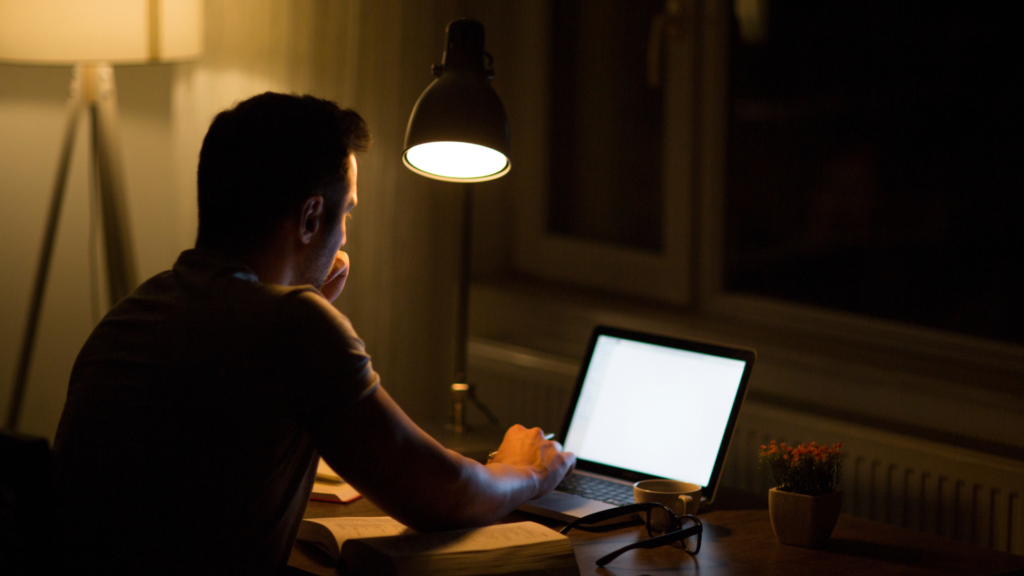

The modern professional world has effectively eliminated the traditional boundaries of the workday. With the rise of global remote work and the “always-online” culture, the biological requirement for sleep is increasingly at odds with the demands of digital productivity. Humans evolved to synchronize their internal clocks with the rising and setting of the sun, but the ubiquity of high-intensity blue light from screens has created an environment of perpetual noon. For those who operate in this constant digital cycle, sleep optimization is no longer just a health consideration; it is a critical performance metric that determines cognitive longevity and daily efficiency.
The Biological Impact of the Perpetual Digital Day
The primary challenge for the online worker is the disruption of the circadian rhythm—the internal 24-hour clock that regulates everything from hormone production to core body temperature. When the eyes are exposed to short-wavelength blue light late into the evening, the brain suppresses the production of melatonin, the hormone responsible for initiating sleep. This delay in sleep onset, often combined with an early morning alarm, leads to a state of chronic sleep debt that impairs decision-making and emotional regulation.
Identifying the specific environmental factors that interrupt rest is the first step toward a more resilient sleep schedule. The following factors frequently contribute to the “social jetlag” experienced by many digital professionals:
- Inconsistent wake-up times driven by varying time zones in global project management.
- High levels of cortisol-inducing work tasks performed immediately before bed.
- The absence of natural morning sunlight due to indoor-focused work environments.
- Reliance on caffeine to mask the symptoms of underlying sleep deprivation.
- Secondary blue light exposure from peripheral devices like tablets and smartphones.
Addressing these issues requires a shift in how the work environment is structured, moving away from a model of constant availability toward one of biological sustainability.
Environmental Control and Melatonin Regulation
Creating a physical environment that supports sleep is essential for counteracting the effects of a high-tech lifestyle. This involves more than just a comfortable mattress; it requires the active management of light, temperature, and noise. The bedroom should be viewed as a recovery chamber where the brain can undergo the essential process of glymphatic drainage—the removal of metabolic waste that accumulates during waking hours.
The following data points illustrate how different lighting conditions alter the body’s internal clock and overall readiness for rest:
| Lighting Environment | Biological Effect | Recommended Exposure Time |
| Direct Morning Sunlight | Sets the circadian clock for the day | 15–30 minutes after waking |
| Indirect Office Lighting | Maintains moderate alertness levels | Throughout the standard workday |
| Blue Light (Screens) | Suppresses melatonin production | Avoid 2 hours before sleep |
| Warm Dim Light (Amber) | Signals the onset of the rest cycle | 1 to 2 hours before bed |
| Total Darkness | Maximizes deep sleep duration | During the entire sleep period |
By manipulating these environmental variables, an online worker can force the body into a state of rest regardless of the external demands of the digital world.
Managing High Stakes Engagement and Sleep Latency
One of the most significant barriers to sleep is the “wired but tired” state, where the body is physically exhausted but the mind remains hyper-active. This is often the result of engaging in high-stakes activities late into the evening. Whether a professional is finishing a complex coding project or unwinding at a Mr Bet casino, the brain is exposed to cycles of risk and reward that keep the nervous system in a state of high arousal. This mental stimulation increases sleep latency—the time it takes to transition from full wakefulness to the first stage of sleep.
To mitigate this, a clear “digital sunset” must be established. This is a designated time when all high-stakes engagement ceases, allowing the brain to transition from a performance state to a recovery state. Developing a consistent sequence of wind-down activities helps signal to the nervous system that the work period has concluded:
- Switching all household lighting to warm, low-intensity tones to stimulate melatonin.
- Engaging in non-digital activities such as physical reading or light stretching.
- Utilizing “brain dumping” techniques to write down remaining tasks for the next day.
- Practicing deep, rhythmic breathing to lower the resting heart rate and blood pressure.
- Implementing a complete ban on checking work-related notifications after the sunset period.
This transition period is non-negotiable for those seeking to maintain elite levels of cognitive output over a long career.
Nutritional and Thermal Factors in Sleep Quality
While light is the primary driver of the circadian rhythm, temperature and nutrition also play vital roles. The human body needs to drop its core temperature by approximately two to three degrees Fahrenheit to initiate deep sleep. For the digital worker who spends all day in a climate-controlled office, this natural cooling process can be sluggish. Taking a warm bath or shower before bed can paradoxically assist this process by drawing heat away from the core and toward the extremities.
Furthermore, nutritional choices can either facilitate or hinder the transition to rest. Consuming large meals or high amounts of sugar late at night forces the digestive system to remain active when it should be slowing down. This metabolic activity can lead to fragmented sleep and a reduction in the quality of Rapid Eye Movement (REM) cycles. Prioritizing magnesium-rich foods or herbal teas can provide the chemical building blocks necessary for the nervous system to relax.